Exploring Neurodiversity in Therapy: Insights from Therapists
Insights from therapists on the counseling relationship with Neurodivergent Clients
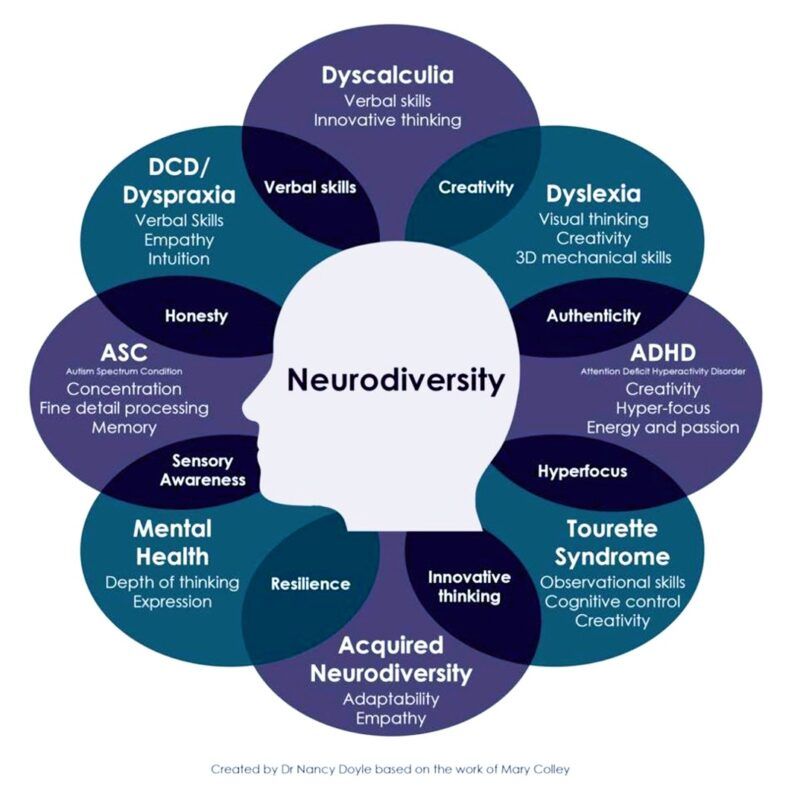
In my ongoing exploration of therapy that embraces neurodiversity, I had the privilege of speaking with three therapists who specialize in working with neurodivergent clients. Their perspectives shed light on how therapy can be more effective and supportive for individuals whose minds diverge from the norm. Our conversation revolved around the counseling relationship, the setting and interventions. This blog is focusing on the first part : the relationship. The counselors impressed the importance of having a neurodiverse affirming mindset, while meeting the client with openmindeness. The major difference with counseling for neurotypical people is the added layer of internalized ableism, a sense the client experiences of being "less than" due to a departure from what society expects. A big part of the relationship is built on the therapist
- Be Curious: Being neurodivergent or highly trained doesn’t mean that we know what is going on for a person. Oftentimes clients are trying to understand themselves through a diagnosis or a self diagnosis. The important part is not the word (ADHD, AuDHD for example) but the lived experience of the client. It is crucial for the therapist to let go of any judgement and focus instead on the process of discovery.
- Address Internalized Ableism: Neurodivergent individuals often internalize negative beliefs about themselves due to societal norms and expectations. These therapists highlighted the need for creating a safe space where clients feel empowered to challenge and dismantle these harmful beliefs, promoting self-acceptance and compassion.
- Avoid Assumptions: One of the dangers in therapy is assuming that everyone experiences emotions and processes information in the same way. Therapists should recognize and validate the diverse emotional experiences of neurodivergent individuals, steering clear of neuronormative assumptions, and truly meeting the clients where they are. For example some clients may use colors or metaphors for feelings that they are not quite able to identify. The therapist in turn may use the client's language to even the relationship.
- Embrace Accountability: Mistakes and miscommunication can happen in counseling, and therapists often times need to repair with clients. When it comes to neurodivergent clients, these therapists emphasized the importance of owning up to errors and misunderstandings. The therapists needs to slow down and take time to check in with the client, giving the client time to process any break in the relationship, and giving the therapeutic relationship an opportunity for confrontation and repair. By fostering a culture of accountability, therapists can build trust and authenticity within the therapeutic relationship.
- Validate and Explore Traumatic experiences: Many neurodivergent individuals have endured traumatic experiences as a result of their differences, such as bullying or social exclusion. Therapists should acknowledge and validate these experiences, providing a supportive space for processing and healing.
- Celebrate Differences: Instead of pathologizing quirks and idiosyncrasies, therapists should normalize them as part of what makes each individual unique. By celebrating diversity, therapists can foster a sense of belonging and acceptance in their clients.
- Encourage Authenticity by Modeling Authentic Behaviors (for neurodivergent therapists): Many neurodivergent individuals engage in masking behaviors to fit in with neurotypical expectations. Therapists can help clients navigate this delicate balance, encouraging them to embrace their true selves and express themselves authentically. This behavior can start in the therapy room where the therapist can notice masking in themselves and mention it to the client. The therapist may also use items in session that helps them focus or stay engaged such as fidget toys, doodling etc, encouraging the client to find comfort and authenticity in the room.
In conclusion, these insights from neurodivergent therapists highlight the importance of adopting a nuanced and affirming approach to therapy. By embracing curiosity, challenging assumptions, and fostering authenticity, therapists can create a supportive environment where neurodivergent individuals feel seen, heard, and valued. As the field of neurodiversity-affirming therapy continues to evolve, these principles will serve as guiding beacons, leading toward greater understanding and inclusivity in mental health care.
For more information on how to build a safe and trusting relationship with your neurodivergent clients, please reach out to annabelle@renegadecounseling.com
The 3 therapists interviewed for this blog are
Elena Schmeising MA, LPCC
Elena is a queer, sex-positive therapist specializing in working with LGBTQIA+ and non-monogamous clients.
They see clients in person in Denver and remotely
For more info checkout https://www.arcanacounseling.co/ and email Elena at elena@arcanacounseling.com
Felicia Libo, LPC
Felicia is a neurodivergent writer, counselor and coach. She works with clients seeking support and clarity for neurodivergence, life transitions, health, relationships, work, and navigating life in general.
For more info checkout https://www.felicialibo.com
or email Felicia at Felicialibo@gmail.com
Zoë Hays, MS, GmBPss
Zoë has background in Integrative and Functional Nutrition, Classical Five Element Acupuncture, and in Psychotherapy/Psychology
They work with neurospicy/neurosparkly people, queer people, chronically ill people.
For more info checkout https://www.mountainmeadowllc.me/ or email Zoe at mountainmeadowwellnessllc@gmail.com
See part one of the blog to learn more about neurodiversity and the challenges of a neurodiverse affirming therapy.