The ADHD cycle

Annabelle Denmark, MA, LPCC • July 24, 2023

Riding the rollercoaster of overcommitting and burnout

The cycle of overcommitting and burnout is a common pattern that can affect individuals with or without ADHD, and it may feel a little more intense with ADHD because of increased reactivity, hyper-focusing and  the dopamine chase that are typical in individuals with ADHD.

The cycle is divided in phases each lasting from a few days to a few weeks. In my practice I have noticed that my clients mostly find themselves starting a new cycle in the spring, and trying to push through in the summer.


1. Overcommitting. This is the start of the cycle and it feels absolutely wonderful. The person feels excited about new projects, or has a brand new idea and starts imagining what could be. For example, starting a new hobby (soap making) and deciding to create a logo  (soapy monkey), start a website (www.soapymonkey.com), find sponsors, change the world (buy one bar of soap, send one to a country who doesn't have soap?), all the WHILE learning to make basic soap and feverishly buying supplies on Amazon at 11pm on a Friday night, while driving home from a concert. I just made the names up, so feel free to steal them. Everything feels fresh, full of new beginnings and flowing with creativity. I have noticed that people with ADHD can be very creative and a force to be reckoned with when working on something they believe it. They can also be very persuasive for a short time, while the creativity and novelty moves through them.


2. Increased Stress:  As the project settles, reality hits and the person is now having to work with new demands (making soap), added on to the demands of daily life (job, family). The person with ADHD may start loosing some of their momentum and question the sanity of their new project, especially after going to Whole Foods and noticing 500 brands of craft soap.


3. Pushing Through: Despite feeling overwhelmed, individuals might try to push through and continue working on all their commitments, hoping they can handle it all. There is also history there, as the cycle happened before but the person wants to prove once and for all that this is it, the dream project that was waiting to happen.


4. Decreased Energy and Motivation: Committing to a new (or several) projects, ideas and organizations takes emotional and physical energy that the person with ADHD may not be able to sustain. The rush of the novelty is gone, creativity is replaced by daily grind.


5. Burnout: Eventually, the cumulative stress and exhaustion can lead to burnout. Burnout is a state of emotional, physical, and mental exhaustion. The person may also feel like a failure, noticing how they can't follow things through and succeed.


6. Rest and Recovery: After experiencing burnout, individuals may need to take a step back, rest, and engage in self-care activities to recover and replenish their energy and motivation.


Breaking the cycle involves recognizing the signs of overcommitment and taking steps to manage one's workload, set realistic boundaries, and prioritize self-care. It's crucial to find a balance between commitments and personal well-being to prevent burnout and maintain overall mental and physical health. For individuals with ADHD, time management strategies, seeking support from friends, family, or professionals, and practicing stress-reducing techniques can be helpful in managing the cycle of overcommitting and burnout.


The content of this blog is based on my personal and clinical experience. It is not a diagnostic tool. If you suspect you might have ADHD, please seek assessment by a qualified professional.  For more information about who i am, check out the about me page. For more info about what I do, check out the services page. And contact me here


June 20, 2026
As a therapist, I have heard some version of this question more times than I can : " Why do I always attract the wrong type of people? People who take and take and never give back. People who ignore me. People who treat me badly." And here is the honest answer: you don't know any better yet. Not because you're broken or oblivious — but because your nervous system is doing exactly what nervous systems do. It's keeping you in familiar territory. Familiarity Beats Safety. Every Time. This is the piece most people miss. Your nervous system isn't wired to seek out what's good for you. It's wired to seek out what's known to you. So if all you've ever known are relationships where love was conditional, where you had to earn your place, where being neglected or disrespected was just... Tuesday — then that's what your system registers as "normal." And normal feels safe, even when it isn't. Here's where it gets interesting. A lot of people who grew up in those environments discovered a workaround: give more . Give enough, and people like you. Give enough, and you stay in control. The more you do for people, the more you're needed — and being needed feels like belonging. The problem? That vibe attracts people who need to receive but can't reciprocate. And being given to ? Being truly cared for? That feels downright threatening, because it's unfamiliar. Familiarity beats safety. Every time. So How Do You Change the Template? You don't change your relationship patterns by finding better people. You change them by changing what feels normal to you. Here's how: 1. Notice what happens when you receive. Pay attention to how you feel when someone gives you a compliment, does something kind for you, or offers help. Really notice it. Most people who grew up giving first, last, and always feel deeply uncomfortable in that moment — fidgety, dismissive, quick to deflect. That discomfort is data. It's telling you that your nervous system has spent decades turning away from receiving and toward giving. 2. Start asking for things. Ask for help. Ask for support. Ask for care. And then sit with how hard that is. This isn't about becoming needy — it's about practicing something your system has been avoiding for a long time. 3. Build your tolerance for receiving, slowly. When the discomfort shows up (and it will), don't run from it. Notice it. Sit with it. Send it a little curiosity instead of judgment. If you do parts work, this is a great place to get curious about the part that goes stiff when someone is kind to you — where do you feel it in your body? Does it have an age? What does it need? Give it some compassion. It's been working very hard to keep you "safe." 4. Orient toward the people who actually show up for you. This one's simple but not easy. Start paying attention to people who offer care without expecting anything in return. Notice how it feels to be around them. Watch how they treat others. And here's the key shift: focus on who you are when you're with them — not what you can do for them. Follow the discomfort. The people who make you feel slightly squirmy because they're just... genuinely kind? Those are the people worth your attention. 5. Let it become your new normal. The more you orient your energy toward people who care for you without keeping score, the more familiar that starts to feel. Slowly, effortlessly, your template shifts. You stop scanning for ways to be useful and start noticing how you feel . That's when you know something real has changed. The Bottom Line You're not cursed. You're not a magnet for bad people. You're just running an old operating system that was built to keep you safe in an environment that wasn't. And like any operating system, it can be updated. It takes time. It takes discomfort. And it takes being willing to let people actually care for you — even when that's the scariest thing of all. That's the work. And it's worth it. Annabelle is a Licensed Professional Counselor and the owner of Renegade Counseling, a telehealth practice specializing in complex trauma, dissociation, and neurodivergent-affirming care. She works with adults across Colorado and Washington.
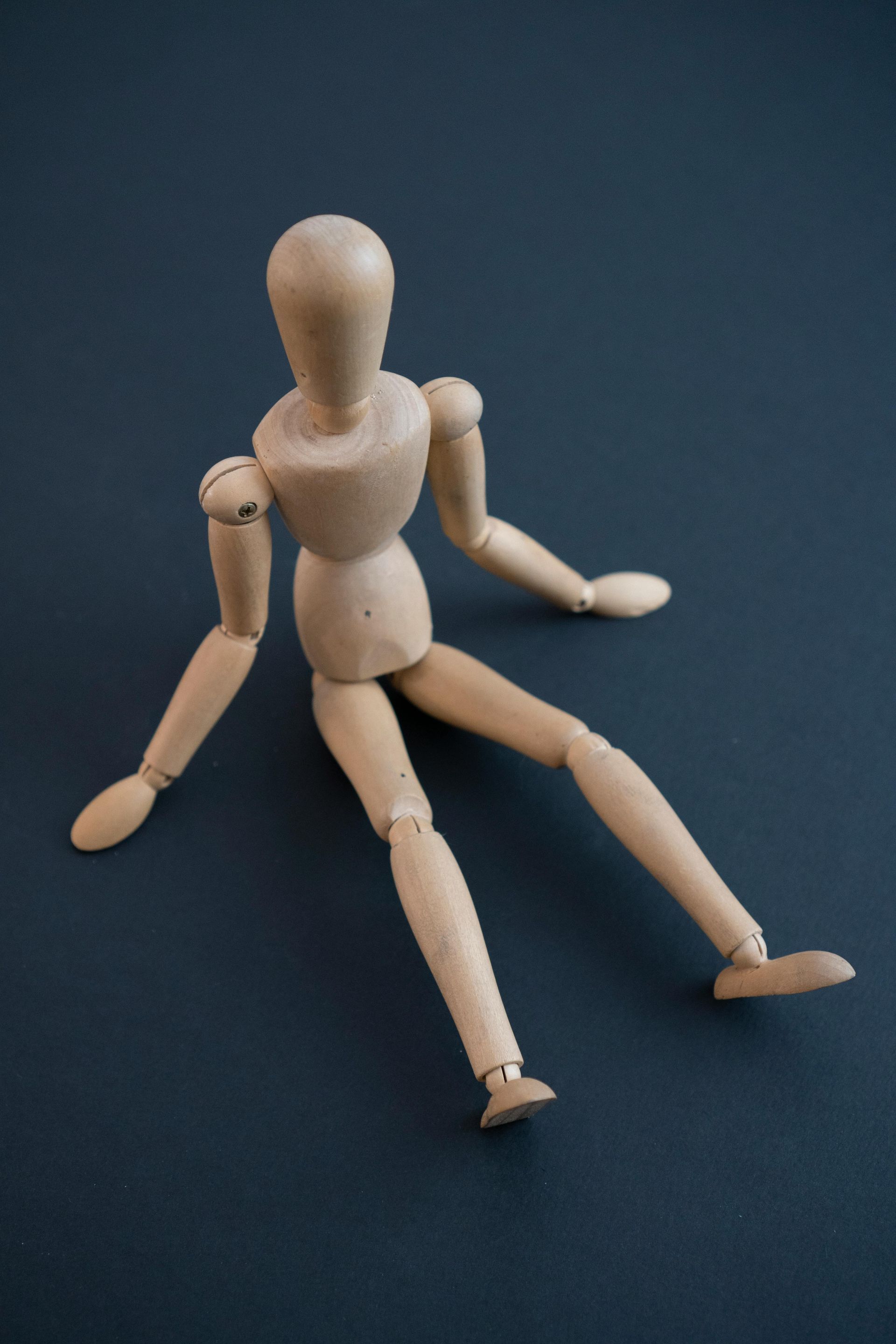
a small wooden mannequin
By looka_production_137487489 February 25, 2026
A look at how Christina Applegate’s approach to naming her body parts mirrors parts work and Pain Reprocessing Therapy—helping people with chronic illness reduce fear, reframe pain, and rebuild a compassionate relationship with their bodies.